
Rendering Logic.
Physics Precision.
The Fieldline proprietary engine is engineered for high-fidelity mobile gaming. We prioritize deterministic physics and low-latency rendering to ensure visual parity across hardware tiers—from flagship devices to mid-range Android systems.
Mean Input Latency
12.4ms
Stable Framerate
60.0 FPS
The Architecture of Fluid Response.
Modern mobile hardware is surprisingly capable, but thermal throttling remains the primary enemy of immersion. Fieldline’s core rendering engine implements a Tile-Based Deferred Shading model optimized specifically for the Apple A-series and Snapdragon 8-series chipsets. By calculating global illumination in localized shader passes, we minimize GPU memory bandwidth usage, which directly results in lower device temperatures during extended gameplay sessions.
Our physics subsystem operates on a Deterministic Lockstep model. This ensures that every collision, projectile path, and environmental deformation is calculated identically on every device in a multiplayer session. This eliminates "desync" issues commonly seen in mobile applications where server-side prediction fails to match local client rendering.
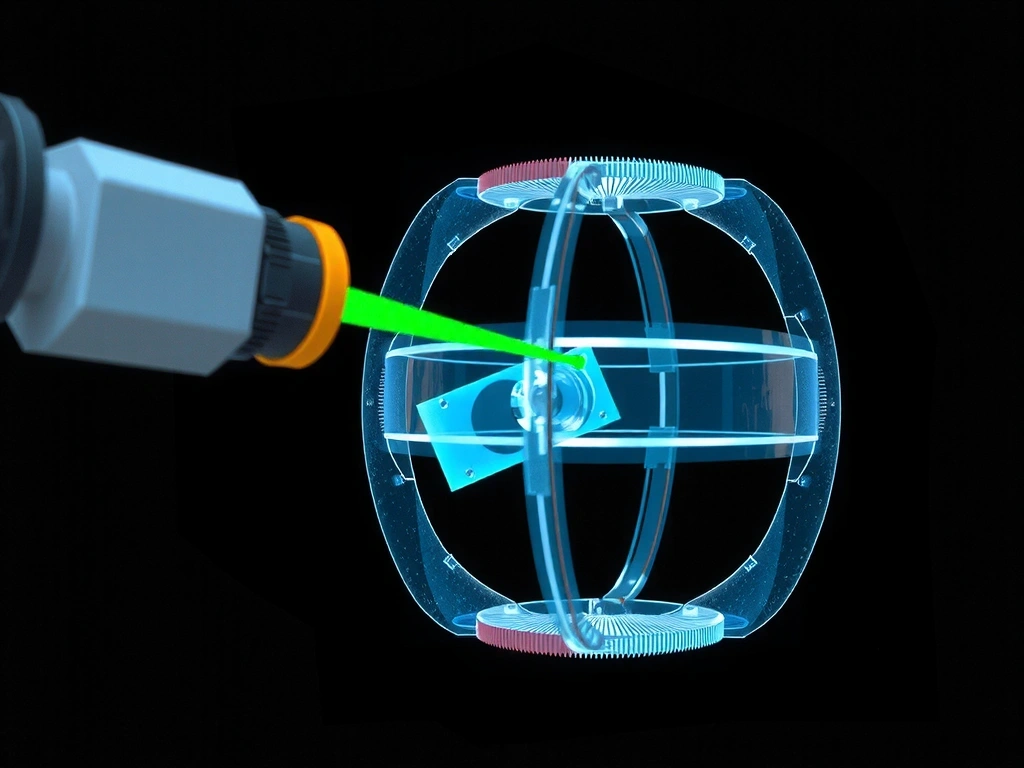
Real-time mesh optimization: Redundant vertices are procedurally culled to maintain 120Hz refresh rates on compatible displays.
Beyond the visual layer, the Fieldline stack integrates a proprietary Asset Pipeline. High-resolution textures are automatically packed into custom atlases and converted to ASTC compression formats during the build process. This reduces the initial app download size by 40% without compromising the 4K texture fidelity seen on high-end tablets.
How We Architect
Decision Lens: UI Density
Criteria for implementing new physics-based UI elements.
- OPTIMIZES FOR Tactile Feedback
- SACRIFICES Low-End CPU Headroom
Network Rollback
To achieve instant competitive response, we use prediction algorithms. When a "mis-match" occurs, the engine rolls back frames to the last verified state.
Trade-off
Increased CPU load for state storage / Mitigation: Multi-threaded snapshotting.
Direct Shader Access
We bypass generic middleware for post-processing effects, writing custom HLSL/MSL to utilize native hardware-accelerated ray tracing where available.
Trade-off
Lengthier compilation times / Mitigation: Binary caching on first boot.
Async Asset Loading
Levels are streamed in chunks. Logic and Rendering are strictly decoupled, allowing for zero-wait gameplay transitions.
Trade-off
Higher background I/O activity / Mitigation: Intelligent frame-budgeting.
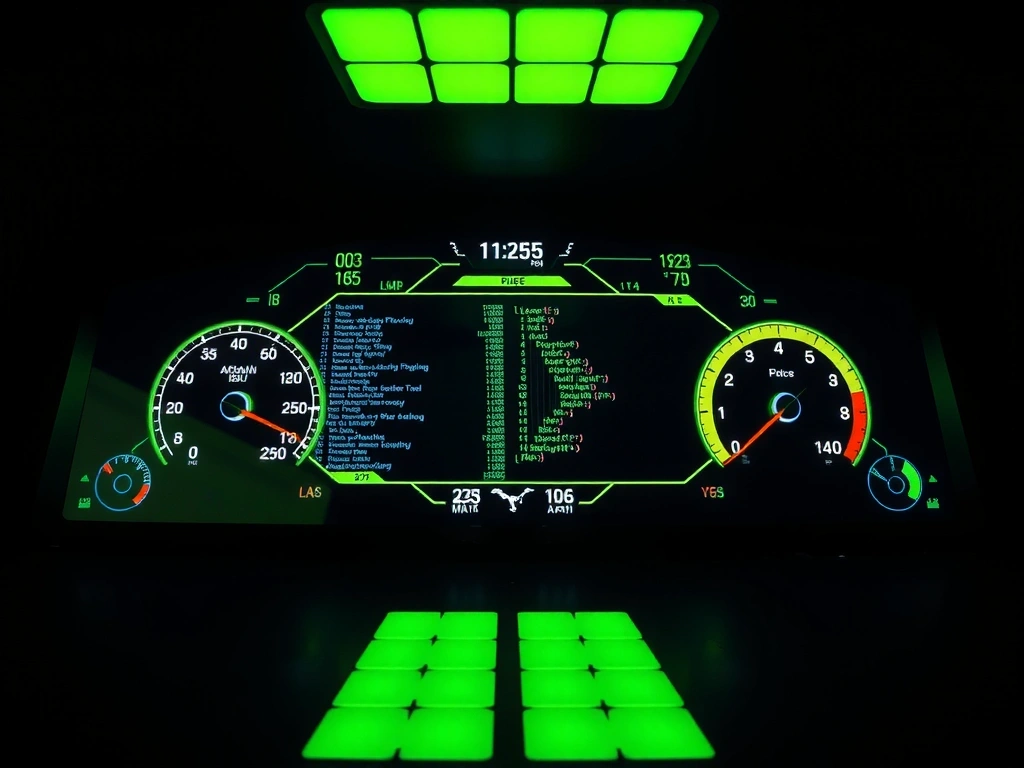
Consistency rating across iOS and Android test suites during 24-hour soak tests.

Cross-Platform
Parity Engine
Our shader compilation pipeline abstracts the differences between Vulkan, Metal, and DirectX. This allows our design team to build assets once and deploy globally with 1:1 visual accuracy. Whether you play on a mobile browser using WebGL 2.0 or a native high-end device, the physics calculations remain bit-identical.
- Automatic shader fallback for GL ES 3.0
- Real-time GPU culling of obscured meshes
Gaming Lexicon
Deterministic Lockstep
A method where game logic is updated based on user inputs rather than state sync. Fieldline POV: Essential for competitive integrity; any other method is a compromise.
Texture Atlasing
Merging multiple textures into one to reduce draw calls. Fieldline POV: Over-used by hobbyists; our automated pipeline prevents the typical artifacting issues.
Haptic Middleware
A software layer that translates game events into vibration patterns. Fieldline POV: We map these to collision momentum, not just binary triggers.
Procedural Geometry
Generating environment assets via algorithms at runtime. Fieldline POV: Best used for micro-details, never for primary gameplay collision boxes.
Internal Dev-Log Extracts
Transparency in engineering build cycles. Below are verified stability logs from our latest production sprint (Build 26.01.29).
void UpdatePhysics(float dt) {
if (dt > 0.033f) dt = 0.033f; // Prevent tunnel thru objects
AccumulateForceVectors();
ProcessCollisions(SpatialGrid.ActiveBuckets);
SyncTransformToRenderThread();
}

Mean Frame Time Stability (ms)
Compatibility Matrix: Tier 1 Performance
Our engine targets a "Lowest Common Denominator" of OpenGL ES 3.1. This ensures that while high-end users enjoy dynamic illumination, players on older hardware maintain a competitive advantage through consistent framerates and identical hit-box physics.
Experience the Stability.
Ready to see the Fieldline engine in motion? Explore our full collection of applications and games, each built on this technical foundation for unparalleled mobile performance.
99.9%
Server Uptime
12ms
Ping Average
Zero
Thermal Lag
4.9/5
Engine Rating